Domains are not free, domains renewal fees have to be paid, yet in one of the greatest ONLINE, FINANCIAL FRAUD, SLAVERY rackets, the thane GREEDY gujju FRAUD raw employee asmita patel who refuses to legally purchase even one domain, continues her massive mumbai ONLINE, FINANCIAL FRAUD, SLAVERY racket to get great powers, monthly government salary at the expense of the real domain investor, single woman engineer who is actually paying for the domains, and is making great losses because of the massive ONLINE, FINANCIAL FRAUD, SLAVERY racket on her.
To cover up GREEDY gujju FRAUD raw employee asmita patel’s massive ONLINE FINANCIAL FRAUD,SLAVERY racket, asmita patel, the greedy gujju officials/leaders are spreading fake rumors that the engineer is not in mumbai so that GREEDY gujju FRAUD raw employee asmita patel and her proteges, like malayali mini, fraud married architect telugu trishula,cousin vedant, prajakta/prajyoti,gujju frauds shruti parekh, sejal shah, chaya dixit, gurugram haryana fraud mba ruchika kinger, bengaluru brahmin cheater housewife nayanshree, wife of fraud tata power employee guruprasad can continue to fake online income, domain ownership.
Additionally the number plate on the house of the engineer, domain investor has been removed repeatedly, as part of the fake rumors spread to show that the engineer is not in mumbai and the bank account, domains belong to domain fraudster perpetual LIAR ROBBER raw/cbi employees, to justify the great powers, monthly government salary all these frauds are getting at the expense of the engineer.
Month: March 2026
How Online Status Tools Are Helping South Africans Track Their SRD Grants More Easily
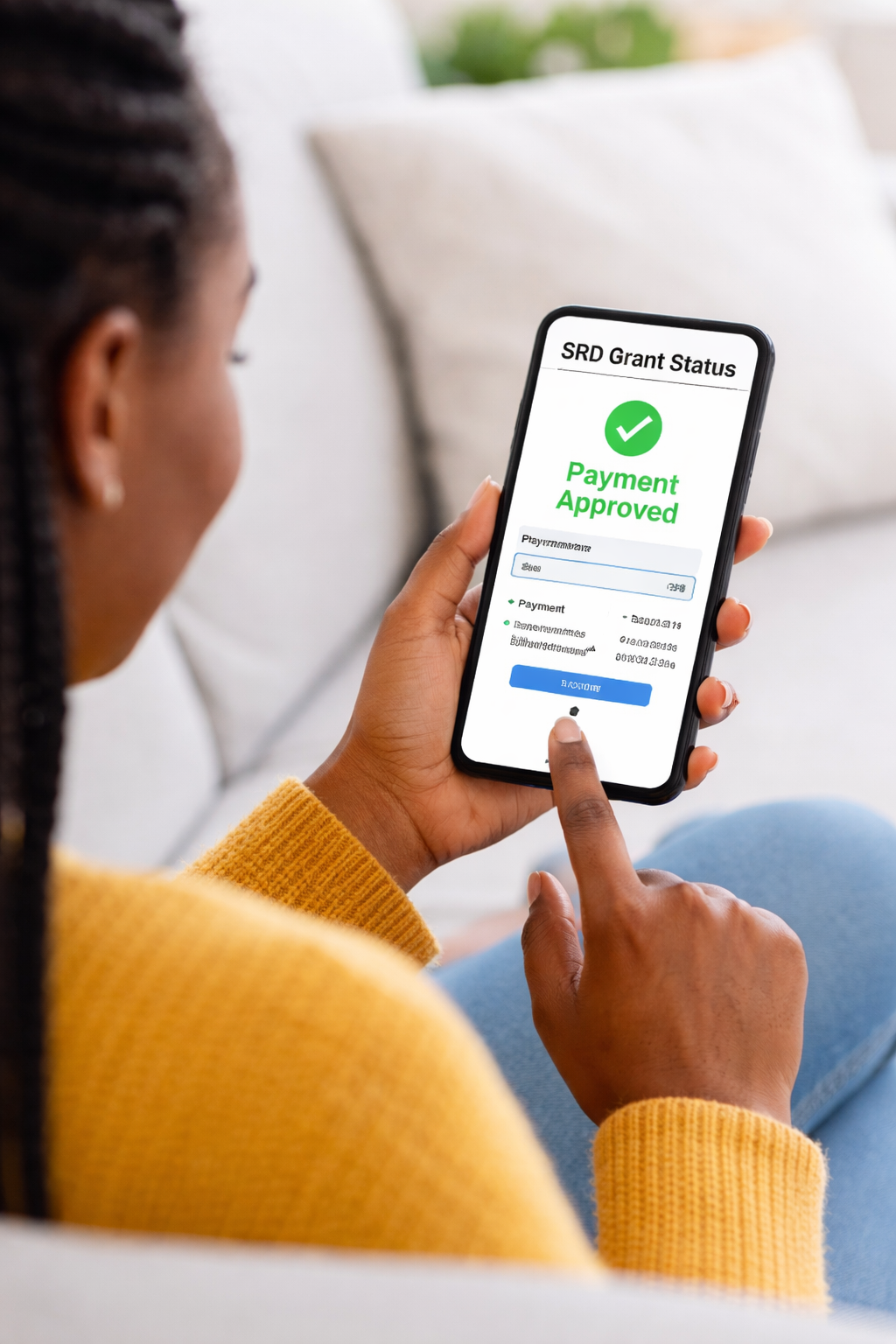 In recent years, millions of South Africans have relied on the Social Relief of Distress (SRD) grant to help cover basic living costs. While the grant itself has been a lifeline for many households, the process of checking application updates, payment statuses, and banking confirmations has sometimes been confusing for applicants.
As a result, more and more people have started using online resources that explain the SRD process in plain language and guide users through the different status messages they may encounter.
These informational websites and tools do not replace official government portals, but they do help applicants understand what their status means and what actions they may need to take next, especially when the wording on the official systems feels unclear or too “admin-heavy”.
Why SRD status messages can be confusing
One of the most common challenges applicants face is interpreting the status message they see after submitting or updating an SRD application.
Applicants may see responses such as:
- Pending
- Approved
- Declined
- Payment Completed
- Identity Verification Failed
Each of these messages represents a different stage in the verification process. Unfortunately, many applicants aren’t sure whether they should wait, update information, or submit an appeal.
This uncertainty has led many people to search online for explanations of what these statuses actually mean and what steps they should take afterward.
The growing demand for clear information
Because the SRD program involves several verification systems — including bank checks, identity validation, and income assessments — delays and status changes are common.
For example, an application that appears as pending usually means that checks are still being completed and cross-referenced through relevant systems before a final outcome is shown.
Detailed explanations of statuses like pending help applicants understand that the process may take time and that, in many cases, no action is required immediately. A clear breakdown of what “pending” typically means (and what to watch for next) can reduce stress and prevent people from making unnecessary changes that may actually slow things down.
These kinds of resources have become especially valuable because they translate technical or administrative wording into simple explanations that ordinary applicants can follow, without needing to “guess” what the system is trying to say.
Understanding the payment process (and why approved doesn’t always mean instant money)
Another frequent source of confusion is payment timing. Many applicants assume that once they are approved, money should reflect immediately. In reality, payments can take time because approvals may be processed in batches, and banking verification can add delays.
It’s also important to understand that SRD payments can be released in a sequence, and the “approved” status can appear before a payment is actually sent. That can be frustrating if you’re checking daily and seeing “approved” without seeing funds in your account.
This is where simple explanations help: an applicant who understands how payment steps usually flow is less likely to panic or fall for scams. Some platforms also explain the most common payment methods and what each method requires, which is useful if you’ve changed banks, updated details, or need to understand how the payout is routed. For example, guides such as this overview of SRD payment methods help applicants understand how payments are typically delivered and what issues may block a payout.
The importance of accurate personal and banking details
One of the biggest causes of delays is incorrect or inconsistent information. Even small issues can trigger a verification problem, such as:
- A bank account that doesn’t match the ID details
- Outdated personal information that needs updating
- Identity checks that don’t confirm properly on the first attempt
Applicants often don’t realize that verification steps can be strict. This is not necessarily to “make life difficult”, but because grants are a fraud target and the process needs to protect both applicants and the system.
The challenge is that the applicant sometimes only sees a short status message, with no extra context. That’s why independent resources that explain what the system is checking and what the common mismatch issues look like have become so popular.
Declined applications and appeals
When an SRD application is declined, many people assume it’s final. In reality, appeals exist for a reason: sometimes data is outdated, sometimes a verification check is wrong, and sometimes the decision can be reviewed.
Declined results can also happen for multiple reasons, including income-related flags, identity verification issues, or cross-check results that the applicant believes are incorrect.
Clear guidance on what a decline means, what typical causes look like, and what steps are available next is one of the most valuable things an informational site can offer. Applicants who understand the reason are more likely to take the right next step instead of reapplying blindly or changing details randomly.
Why independent info sites matter (without replacing official systems)
Official portals remain the source for applications, updates, and payment processing. But independent informational tools have filled a real gap: explaining the “meaning” behind the status messages and helping people understand what the system is doing.
For many users — especially people relying on mobile data and checking from a smartphone — it’s helpful to have one place that consolidates:
- Status message explanations
- Common blockers and troubleshooting
- Practical guidance on next steps
Instead of searching through multiple sources, applicants can quickly find a plain-language explanation for what they are seeing and what they should do next.
Scams are a growing risk (and confusion makes it worse)
Another reason these resources matter is scam prevention. When people are anxious about money and confused by a status message, scammers take advantage of that. Fake messages and fake “help” pages are designed to look official and pressure people into sharing personal info.
Common scam patterns include:
- Fake payment notifications that push users to click links
- Messages claiming you must “pay a fee” to release funds
- Websites pretending to be official portals
The best protection is simple: never share OTPs, never share banking logins, and don’t follow random links sent via SMS or WhatsApp. When people have reliable information, they’re less likely to fall for urgent scam tactics.
Final thoughts
The SRD grant remains an important form of support for many South Africans facing economic pressure. While the application and payment systems can be complex, access to clear and reliable information makes the process easier and less stressful for applicants.
Independent informational resources that explain status messages, timelines, and common issues help bridge the gap between official systems and everyday users. By understanding how the SRD process works and what different statuses usually mean, applicants can avoid confusion, track progress more effectively, and take the correct steps when issues arise.
For many beneficiaries, simply having the right information at the right time makes the entire process feel less overwhelming.
To reduce revenues, top tech, internet companies blocking payment from domain sales to real domain investor
Due to massive indian internet sector FINANCIAL FRAUD of top tech, internet companies, government agencies the real domain investors are criminally defamed in the worst manner while the internet companies get GREEDY FRAUD married women and other domain fraudsters government jobs, great powers faking domain ownership and online income only for ROBBING data and making fake claims
Since the government ONLINE FINANCIAL FRAUD has continued for more than 15 years, domain FRAUDSTER government employees are becoming very shameless and aggressive in their massive ONLINE FRAUD, and blocking payment to the real domain investor, from domain sales.
The domains are not free, the real domain investor alone is paying a large amount for domain renewals, yet the top tech, internet companies allegedly led by google are ruthless in their massive ONLINE FINANCIAL FRAUD, misleading companies worldwide with FAKE stories of domain ownership, online income.
As part of the massive indian government ONLINE FINANCIAL FRAUD, the real domain investor has not received payment for more than one month despite sending a large number of emails, so she is forced to send postal mail to payoneer trying to get the payment or refund back to the domain registrar who sent the payment for domain sales.